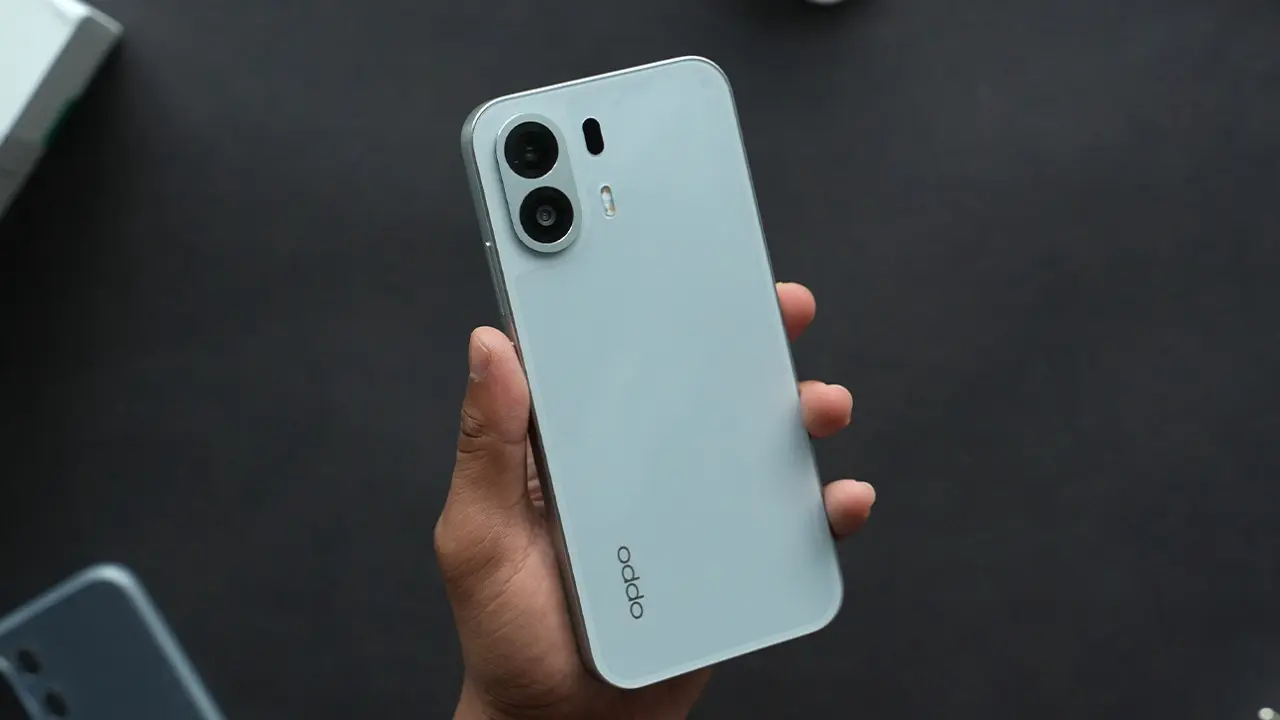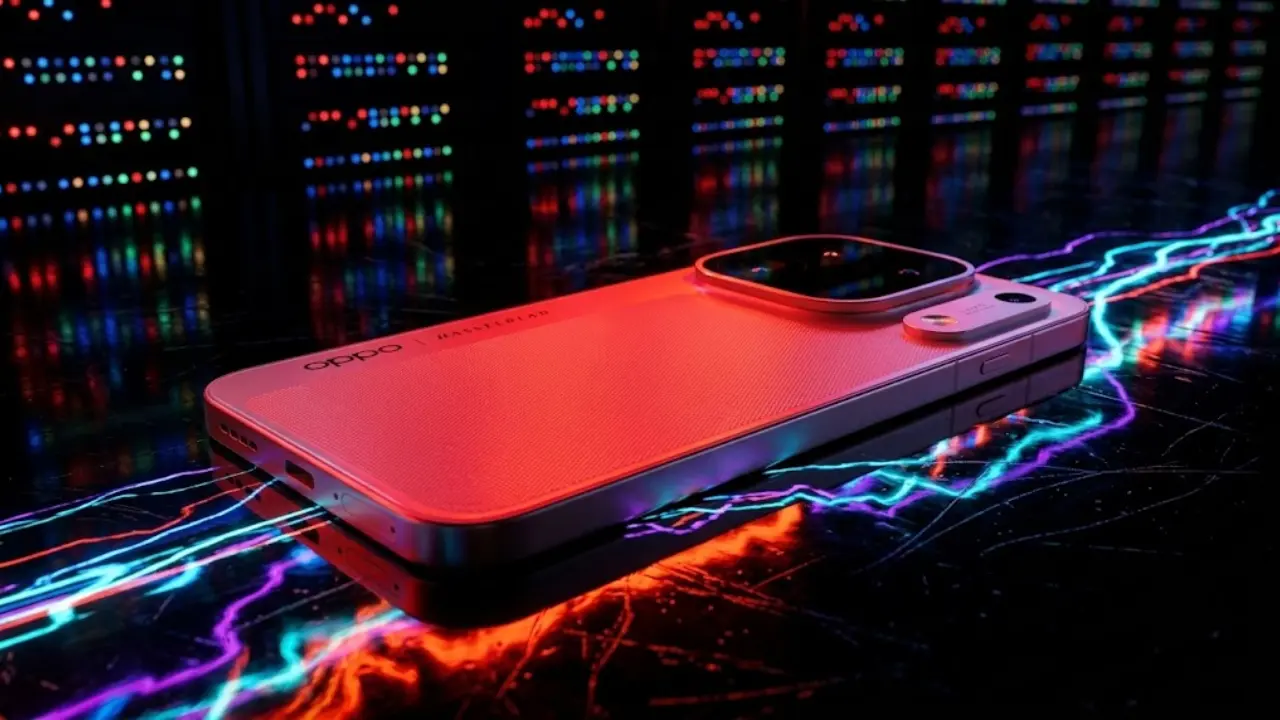
If you’ve been following the smartphone industry lately, you already know that price hikes are becoming the standard playbook for 2026. But as someone who regularly tears down these devices, analyzes the silicon, and tracks supply chain economics, today’s leaked European pricing for the Oppo Find X10 and Find X10 Pro Max genuinely made me do a double-take.
We are not talking about a standard $50 inflation adjustment. We are looking at a fundamental shift in how flagship smartphones are priced, heavily influenced by the booming AI data center market. Let’s strip away the marketing jargon, look at the raw numbers, and dive deep into the hardware to understand exactly what is happening with Oppo’s upcoming global release.
The Elephant in the Room: The Leaked Numbers
Let’s get straight to the data. According to the latest credible supply chain reports, Oppo is positioning the Find X10 series at an ultra-premium tier that completely abandons its previous competitive pricing strategy. Here is the leaked European pricing structure:
| Model | Storage Variant | Leaked 2026 Price (€) | Previous Gen (Find X9) Price (€) | Price Hike % |
|---|---|---|---|---|
| Find X10 | 256GB | €1,399 | N/A (Launched at 512GB) | – |
| Find X10 | 512GB | €1,599 | €999 | +60.06% |
| Find X10 Pro Max | 512GB | €1,799 | €1,299 (Pro Model) | +38.49% |
If we consider the standard Find X10 as the direct successor to last year’s Find X9 (comparing the identical 512GB storage tiers), we are looking at an unprecedented 60% price hike in a single generation. The Pro Max variant, while featuring superior optics, is asking consumers to part with nearly €1,800.
A Technician’s Explanation: Why is this happening?
As a hardware technician, I constantly monitor component costs. You can’t just blame corporate greed for a 60% jump; there is a severe logistical crisis happening at the silicon foundry level. The culprit? Artificial Intelligence.
Here is the technical reality of the 2026 supply chain:
- The RAM and NAND Flash Shortage: Data centers training massive LLMs (Large Language Models) require exabytes of high-bandwidth memory (HBM) and enterprise-grade UFS storage. Foundries like TSMC, SK Hynix, and Samsung have reallocated their production lines away from consumer mobile chips (like LPDDR5X RAM) to serve the highly lucrative AI server market.
- Component Bidding Wars: Because production lines are tied up making server-grade memory, the supply of smartphone memory has plummeted. Oppo, Samsung, and Apple are now in bidding wars for the remaining batches of memory and storage chips, driving the base manufacturing cost of a 512GB module to three times what it was in 2024.
- The Snapdragon / MediaTek Premium: The latest flagship processors required to process on-device AI tasks are larger, yield fewer chips per silicon wafer, and require significantly more expensive cooling solutions (like massive vapor chambers), adding to the Bill of Materials (BOM).
Global vs. China: The Specs Downgrade Frustration
What makes this €1,799 price tag particularly hard to swallow for European and global consumers is the disparity in hardware specifications. Real-time data from regulatory certifications reveals that the global Find X10 models are essentially “watered-down” versions of the domestic Chinese variants.
If you are paying a 60% premium, you expect the ultimate, uncompromised device. Instead, here is what global users are losing:
- Missing 16GB RAM Configurations: While Chinese models boast up to 16GB of LPDDR5X RAM—crucial for heavy multitasking and running complex on-device AI models locally—the European models appear capped, likely to save on those aforementioned exorbitant memory costs.
- Battery Nerf: The global variants will feature a 7,150mAh battery. While technically massive due to new silicon-carbon battery technology, it is still slightly smaller than the battery packed into the domestic versions, leading to a minor but frustrating disparity in screen-on time.
- Stripped IP Ratings: The Chinese promotional materials heavily market IP69 and IP69K certifications. For context, IP69K means the phone can withstand close-range, high-pressure, and high-temperature water jets. The European spec sheets lack this certification, settling for standard IP68.
- No Budget Option: The more affordable Find X10e variant seems entirely absent from the European launch roadmap, leaving budget-conscious consumers completely locked out of the Oppo ecosystem this year.
The Pre-Order Band-Aid: Are the Perks Worth It?
Oppo’s marketing department clearly knows this price hike is a tough pill to swallow. To prevent immediate consumer backlash ahead of the launch, they have initiated “blind pre-orders” in the UK market. A blind pre-order means consumers are putting money down before the final price or exact specs are officially confirmed by Oppo on stage.
To incentivize this, Oppo is throwing in heavily subsidized ecosystem perks. Based on the UK leaks, early adopters are expected to receive high-value bundle items. You might see the inclusion of the Oppo Pad 5 (a highly capable tablet in its own right), the Watch X3, or a specialized Hasselblad teleconverter lens kit designed exclusively for the Find X10 Pro Max’s massive camera island.
The Technician’s View on Perks: If you actually need a new smartwatch and a tablet, these pre-order bundles bring the effective price of the smartphone back down to reality. However, if you only want the phone, you are essentially being forced to buy into a bundled ecosystem to justify the €1,799 price tag.
Stop Buying New iPads! How Students Can Save $500 in 2026
Final Verdict: Should You Upgrade?
Let’s look at this objectively. The Oppo Find X10 and X10 Pro Max will undoubtedly be engineering marvels. The Hasselblad-tuned optics, the new silicon-carbon battery technology, and the raw processing power will be top-tier. But a 60% price increase represents a broken psychological barrier in smartphone pricing.
My advice to the Taja Tech community is simple: Hold your ground.
Unless your current device is physically broken beyond repair, or you absolutely must have the best camera sensor on the market for professional use, wait. Wait for the initial hype to die down. Historically, Android flagships see significant price drops within the first four to six months of release. Furthermore, as we discussed in our recent guide on tech pricing, the refurbished market will likely have “open-box” models of the Find X10 floating around for 20% less by early 2027.
What do you think? Is the AI computing boom a valid excuse for smartphone manufacturers to raise prices by 60%, or is this just an opportunity to test how much consumers are willing to pay? Let me know your thoughts in the comments below or reach out to us on the Taja Tech social channels!